
 8.3


Where can I stream Visible: Out on Television?
In the United States, Visible: Out on Television streams on Apple TV. It also streams in 25 other countries.
2020Show1 season5 episodesTV-MA
Explore the history of the American LGBTQ movement through the lens of TV in this five-part docuseries. Combining archival footage with new interviews, the series looks at homophobia, the evolution of LGBTQ characters, and coming out in the TV world.
Not for scares, laughs or brutality.
1 season · 5 episodes
24 of 34 · most episodes first
 Janet MockSelf - Narrator (voice)
 Margaret ChoSelf - Narrator (voice)
 Asia Kate DillonSelf - Narrator (voice)
 Neil Patrick HarrisSelf - Narrator (voice)
 Lena WaitheSelf - Narrator (voice)
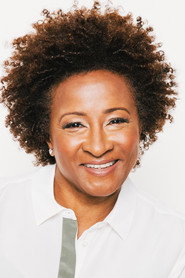 Wanda SykesSelf
 Billy PorterSelf
 Joey SolowaySelf
 Laverne CoxSelf
 Michaela Jaé RodriguezSelf
 Oprah WinfreySelf
 Ellen DeGeneresSelf
 Wilson CruzSelf
 Abbi JacobsonSelf
 Anderson CooperSelf
 Jonathan GroffSelf
 Sara RamirezSelf
 Caitlyn JennerSelf
 Ilana GlazerSelf
 Rufus WainwrightSelf
 Rachel MaddowSelf
 Adam LambertSelf
 Andy CohenSelf
Pick a department, or search for a name or a job (“editor”, “stunt”).
 You are here: Visible: Out on Television
Point to compare, tap or drag to moveHold to compare, tap or drag to move
You are herePreview
vscompared with Visible: Out on Television
Visible: Out on Television2020 · Show
Point at a poster to compare itHold a poster to compare it
A chip fills to its level. Tap a full one for titles without that trait, a low one for titles with it.
Open a page:Cléo from 5 to 7 (1962)The Defiant Ones (2017)Milk (2008)Mrs. America (2020)Super/Man: The Christopher Reeve Story (2024)Ma Rainey's Black Bottom (2020)Gentleman's Agreement (1947)POSE (2018)Side by Side (2012)Halt and Catch Fire (2014)Lessons in Chemistry (2023)Nowhere Boy (2009)BPM (Beats per Minute) (2017)Misbehaviour (2020)The Best of Youth (2003)Being the Ricardos (2021)Mr. Holland's Opus (1995)Paris Is Burning (1991)Professor Marston and the Wonder Women (2017)Springsteen: Deliver Me from Nowhere (2025)Sound City (2013)The Last Showgirl (2024)She Said (2022)Woodstock (1970)What Happened, Miss Simone? (2015)1776 (1972)Vaathi (2023)Summer of Soul (...Or, When the Revolution Could Not Be Televised) (2021)The Get Down (2016)On the Waterfront (1954)Julia (2022)Marley (2012)Even the Rain (2011)Coming Home (1978)The Joy Luck Club (1993)Comrades, Almost a Love Story (1996)Stage Beauty (2004)Marty (1955)The Front (1976)Good Vibrations (2012)Straight Outta Compton (2015)The Last Metro (1980)Get On Up (2014)It's a Sin (2021)Paris Blues (1961)No (2012)The Lives of Others (2006)On the Wandering Paths (2023)Water (2005)The Crown (2016)Val (2021)Pride (2014)Truth (2015)Minamata (2020)Supersonic (2016)Alice Doesn't Live Here Anymore (1974)20 Feet from Stardom (2013)Brassed Off (1996)Good Night, and Good Luck. (2005)Radio Days (1987)The Newsroom (2012)Losers' Club (2011)The Candidate (1972)Broadcast News (1987)

 GoodWatch score 94
 GoodWatch score 91
 GoodWatch score 93
 GoodWatch score 85
 GoodWatch score 81
 GoodWatch score 63
 GoodWatch score 85
 GoodWatch score 85
February 14, 2020 · February 14, 2020 · Ended
4 questions, like "Where can I stream Visible: Out on Television?"
Quick answers from GoodWatch data.
In the United States, Visible: Out on Television streams on Apple TV. It also streams in 25 other countries.
Yes, it's widely acclaimed, with a GoodWatch score of 83 (IMDb 8.3, Rotten Tomatoes 100%, and Metacritic 89). Critics rate it higher (95 out of 100) than audiences (74).
Yes: it's rated TV-MA in the United States for disturbing imagery, and the viewing guide lists it for family nights.
Mostly character-driven: it leans on character depth (8 of 10) and dialogue centrality (8 of 10) more than on its plot.