 7.9


Is Rumi: Poet of the Heart worth watching?
84
GreatGoodWatch scoreYes, it's widely acclaimed, with a GoodWatch score of 84 (IMDb 7.9).
A slow-burning, philosophical documentary movie about faith and meaning and a real life story.
Good for date night · family movie night · friends night
Skip it if you want fast pacing
Not streaming in any country yet.
Not for scares, laughs or adrenaline.
Pick a department, or search for a name or a job (“editor”, “stunt”).
 You are here: Rumi: Poet of the Heart
Point to compare, tap or drag to moveHold to compare, tap or drag to move
You are herePreview
vscompared with Rumi: Poet of the Heart
Rumi: Poet of the Heart1998
Point at a poster to compare itHold a poster to compare it
A chip fills to its level. Tap a full one for titles without that trait, a low one for titles with it.
Open a page:Shadowlands (1993)The Chosen (2019)Intoxicated by Love (2024)Paul, Apostle of Christ (2018)King of Kings (1961)Jesus of Nazareth (1977)David Attenborough: A Life on Our Planet (2020)The Dig (2021)Get Low (2010)Kundun (1997)The Robe (1953)Immortal Beloved (1994)Gorillas in the Mist (1988)Birdman of Alcatraz (1962)The Spirit of St. Louis (1957)Nowhere in Africa (2001)Dersu Uzala (1975)Cabrini (2024)Amazing Grace (2007)Kon-Tiki (2012)Mr. Turner (2014)The Man Who Invented Christmas (2017)The Danish Girl (2015)Reaching for the Moon (2013)The Message (1976)JOY (2024)Out of Africa (1985)Lust for Life (1956)Pollock (2000)A Hidden Life (2019)Miss Potter (2006)Victoria & Abdul (2017)Fire of Love (2022)Babette's Feast (1987)Something the Lord Made (2004)Philomena (2013)The Butterfly's Dream (2013)The Painted Veil (2006)Awakenings (1990)One Life (2023)Hamnet (2025)The Best of Enemies (2019)The Testament of Ann Lee (2025)Frida (2002)Genius (2017)My Octopus Teacher (2020)The Great Escaper (2023)Maudie (2016)Pope Joan (2009)A Man for All Seasons (1966)An Angel at My Table (1990)Finding Vivian Maier (2014)The Great Debaters (2007)Gifted Hands: The Ben Carson Story (2009)The Last Station (2009)Loving (2016)The Theory of Everything (2014)The Man Who Knew Infinity (2016)Temple Grandin (2010)84 Charing Cross Road (1987)Maria (2024)Woman in Gold (2015)The Physician (2013)The Young Victoria (2009)

 GoodWatch score 92
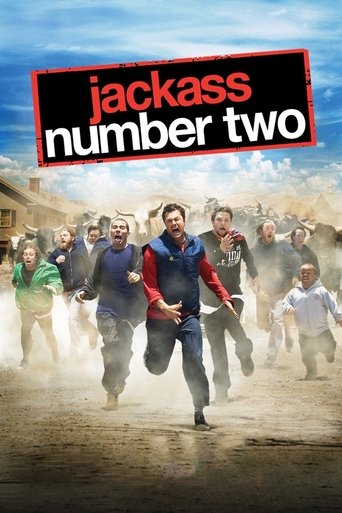 GoodWatch score 68
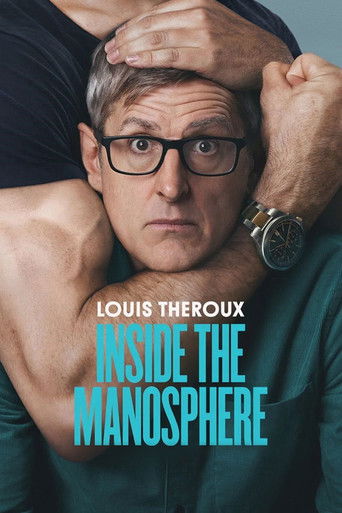 GoodWatch score 69
 GoodWatch score 86
 GoodWatch score 83
 GoodWatch score 85
 GoodWatch score 88
 GoodWatch score 86
January 1, 1998 · 58 min · NR
3 questions, like "Is Rumi: Poet of the Heart worth watching?"
Quick answers from GoodWatch data.
Yes, it's widely acclaimed, with a GoodWatch score of 84 (IMDb 7.9).
Yes: it's rated NR in the United States, and the viewing guide lists it for family nights.
Mostly character-driven: it leans on character depth (8 of 10) and dialogue centrality (8 of 10) more than on its plot.