
 7.4





















Where can I stream The L Word: Generation Q?
In the United States, you can rent or buy The L Word: Generation Q from Apple TV Store, Google Play Movies, and Fandango At Home. It streams in 26 other countries, but not in the United States.
 The L Word: Generation Q fingerprint
A , drama series: .
Good for friends night · party vibe · binge-friendly
Find the one.
 You are here: The L Word: Generation Q
Point to compare, tap or drag to moveHold to compare, tap or drag to move
You are herePreview
vscompared with The L Word: Generation Q
The L Word: Generation Q2019 · Show
Point at a poster to compare itHold a poster to compare it
A chip fills to its level. Tap a full one for titles without that trait, a low one for titles with it.
Open a page:The L Word (2004)Queer as Folk (2000)Heartbreak High (2022)Beverly Hills, 90210 (1990)Gilmore Girls: A Year in the Life (2016)Fire Island (2022)Love Aaj Kal (2009)Gilmore Girls (2000)Faking It (2014)Grey's Anatomy (2005)About Last Night... (1986)Waiting to Exhale (1995)The Perks of Being a Wallflower (2012)Reality Bites (1994)Cruel Intentions (1999)Dawson's Creek (1998)Caramel (2007)10 Things I Hate About You (1999)Master of None (2015)Chasing Amy (1997)Laurel Canyon (2003)The Big Chill (1983)The Last American Virgin (1982)The O.C. (2003)The Sex Lives of College Girls (2021)Good Trouble (2019)Love, Victor (2020)Modern Love (2019)Yes Boss (1997)Secret Diary of a Call Girl (2007)Gossip Girl (2007)Sex Education (2019)Girls (2012)Bel-Air (2022)High Fidelity (2000)Young Royals (2021)Red, White & Royal Blue (2023)The Best Man (1999)Singles (1992)About Last Night (2014)Bridget Jones's Baby (2016)Namastey London (2007)The Room Next Door (2024)Smash (2012)Losers' Club (2011)The Bold Type (2017)The Kids Are All Right (2010)Dallas (2012)Rivals (2024)Spanish Affair (2014)Transparent (2014)The Photograph (2020)Bros (2022)Valeria (2020)High Fidelity (2020)About a Boy (2002)LOL (Laughing Out Loud) (2009)Parenthood (1989)Roger Dodger (2002)Y Tu Mamá También (2001)Party Girl (1995)Better Things (2016)Lust Stories (2018)Tamara Drewe (2010)

 GoodWatch score 76
 GoodWatch score 82
 GoodWatch score 83
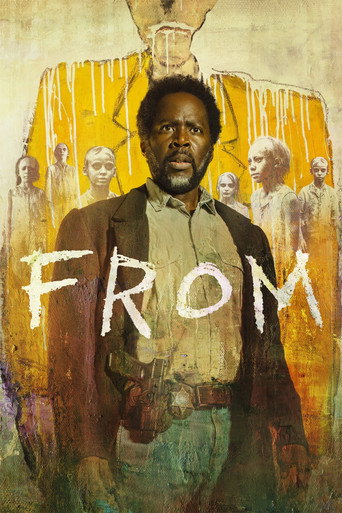 GoodWatch score 77
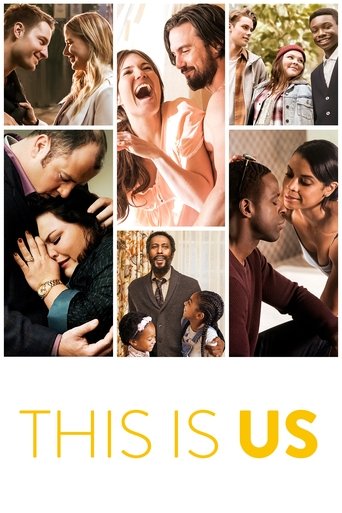 GoodWatch score 83
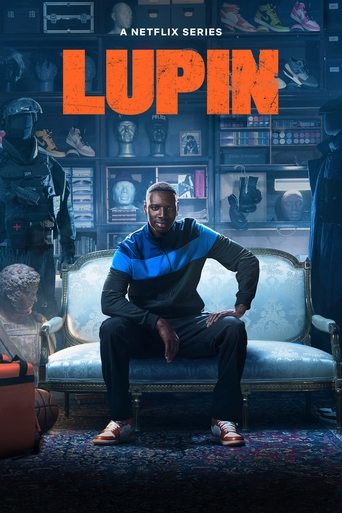 GoodWatch score 81
 GoodWatch score 66
 GoodWatch score 64
Quick answers from GoodWatch data.
In the United States, you can rent or buy The L Word: Generation Q from Apple TV Store, Google Play Movies, and Fandango At Home. It streams in 26 other countries, but not in the United States.
Opinions are mixed, with a GoodWatch score of 62 (IMDb 7.4 and Metacritic 60).
Seasons 1 and 2, with an IMDb average of 8.2. Season 3 is the weakest at 7.1. The highest-rated episode is Loose Ends (season 1, episode 6) at 8.6, and the lowest is Locked Out (season 3, episode 5) at 5.7.
28 h
About 28 hours: 28 episodes in 3 seasons of about 60 minutes each, aired from 2019 to 2023.
It suits a quiet night in as a couple: romance is 9 of 10, but the viewing guide doesn't list it for date night.
Mostly character-driven: it leans on dialogue centrality (8 of 10) and character depth (7 of 10) more than on its plot.